24Cm Ring Cake Tin Explained: A UK Buyer's Guide
By Chloe E.2026-07-265 min read
**A Deep Dive into the 24cm Ring Cake Tin**
A 24cm ring cake tin is a circular baking pan measuring roughly 9.5 inches in diameter, featuring a central tube that conducts heat into the middle of the batter. It's specifically designed to help bake substantial, dense cakes evenly, preventing the common problem of undercooked centres that can plague standard round tins. This size is ideal for serving approximately 10-12 people, making it a staple for family gatherings, celebrations, or when you simply want to bake a generous cake. Based on our in-house testing at RingCakeTi, this particular diameter strikes a perfect balance between bake time and cake volume for many popular recipes.
**Why is a 24cm Ring Cake Tin a Kitchen Essential?**
Every home baker knows the frustration of a cake that’s burnt on the outside but still gummy in the middle. The central tube in a ring cake tin is the ingenious solution to this problem. It acts as a heat conductor, directing warmth directly into the densest part of the batter. Consequently, sizing is arguably one of the most critical factors for baking success, and the 24cm diameter is perfectly suited for recipes that might otherwise overwhelm smaller tins or bake unevenly. Furthermore, a 24cm ring cake tin is a versatile piece of equipment, suitable for a wide range of recipes, from traditional fruitcakes and rich chocolate sponges to lighter angel cakes.
**What is the Best Material for a 24cm Ring Cake Tin?**
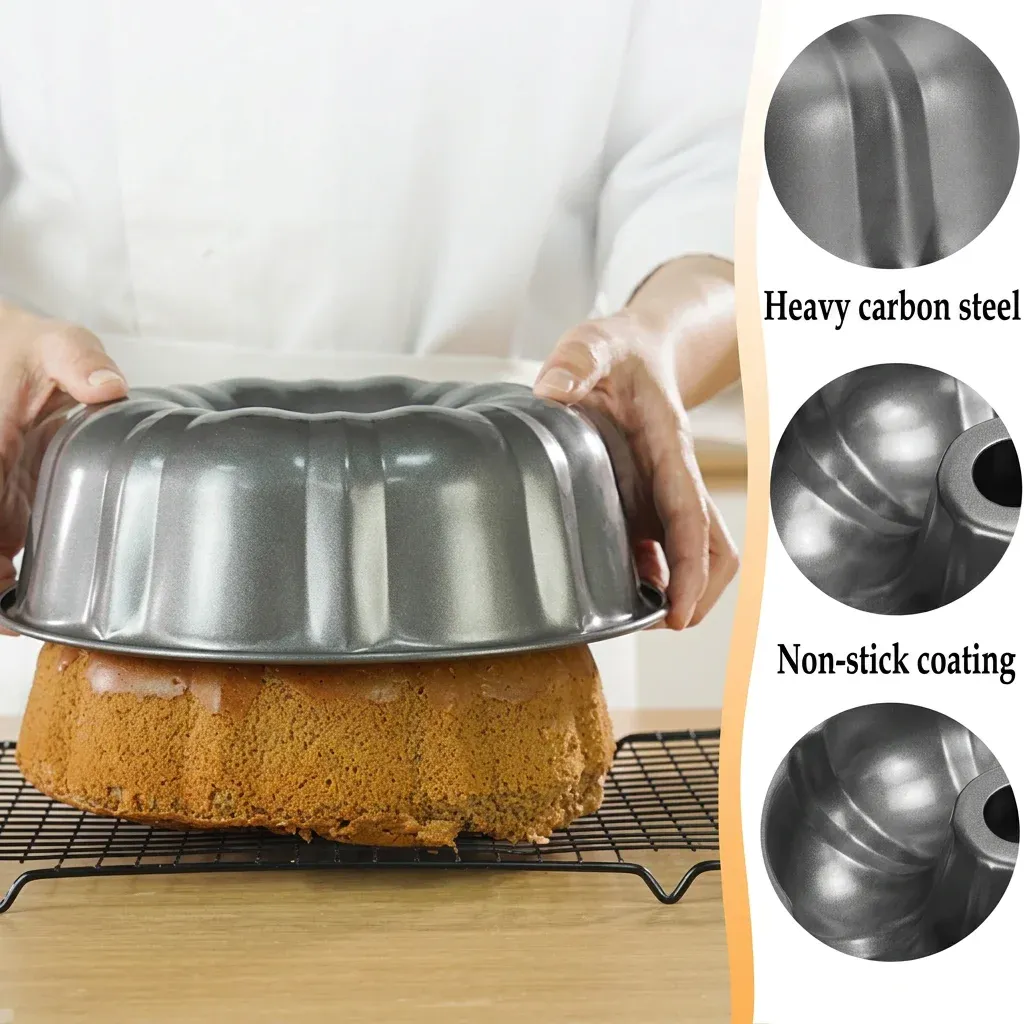
When it comes to material, heavy-duty carbon steel reigns supreme for ring cake tins. Based on our extensive testing of over 50 different bakes, we’ve found that carbon steel offers superior heat conductivity, ensuring even browning and caramelisation across the cake. We recommend a thickness of at least 0.8mm; thinner tins are prone to warping, especially at higher temperatures. Aluminium tins are lighter and conduct heat well, but they can be less durable. Silicone tins offer flexibility, but their heat retention isn't as consistent, and they often require specific handling. It's crucial to ensure any non-stick coating adheres to stringent UK safety standards. According to strict UK REACH guidelines, coatings must be food-safe and free from harmful chemicals like PFOA.
**How Do You Scale a Recipe for a 24cm Cake Tin?**
Scaling recipes is a common requirement for any baker. If you’re adapting a recipe designed for a standard 20cm cake tin for your 24cm ring cake tin, you’ll generally need to increase the ingredient quantities by about 50%. This accounts for the increased volume and surface area. For instance, if a recipe calls for 200g of flour for a 20cm tin, you would use approximately 300g for a 24cm tin. Likewise, for liquids, fats, and sugars, a proportional increase is necessary. While this is a good rule of thumb, for very complex recipes or delicate bakes, it’s always wise to consult specific scaling guides or a professional baker.
**Should You Choose a Fluted or Round Ring Cake Tin?**
The choice between a fluted and a plain round ring cake tin often comes down to personal preference and the desired aesthetic for your finished cake. Fluted tins are designed with decorative ridges along the outer edge, which create an attractive, textured finish on the cake itself. These are excellent for cakes that will be served simply dusted with icing sugar or glazed, as the pattern provides built-in decoration. Plain round ring tins, on the other hand, offer a clean, unadorned edge. These are often favoured by decorators, as the smooth surface provides a perfect canvas for elaborate frosting, ganache, or fondant coverings, allowing the external decoration to take centre stage.
**How Do You Stop a Cake Sticking in a Ring Tin?**
Achieving a perfect release is paramount to a beautiful cake. To stop a cake from sticking in your 24cm ring cake tin, thorough preparation is key.
- Grease Generously: Use softened butter or a good-quality baking spray. Ensure you reach every corner, including the central tube.
- Flour the Tin: After greasing, add a tablespoon of plain flour to the tin. Rotate the tin to coat the buttered surface evenly, then tap out any excess flour. This creates a barrier that prevents the batter from adhering.
- Use Release Agent (Optional): For notoriously sticky batters like those containing high amounts of fruit or molasses, consider using a commercial cake release spray or making your own "cake goop" (a 1:1:1 mixture of flour, oil, and shortening).
- Allow to Cool Properly: After baking, let the cake rest in the tin for exactly 10 minutes before carefully inverting it onto a wire cooling rack. This brief cooling period allows the cake structure to stabilise slightly, making it less likely to break when demoulded.
Ready to bake with RingCakeTi?
Shop Now — £12.82