Fluted Ring Cake Tin Explained: A UK Buyer's Guide
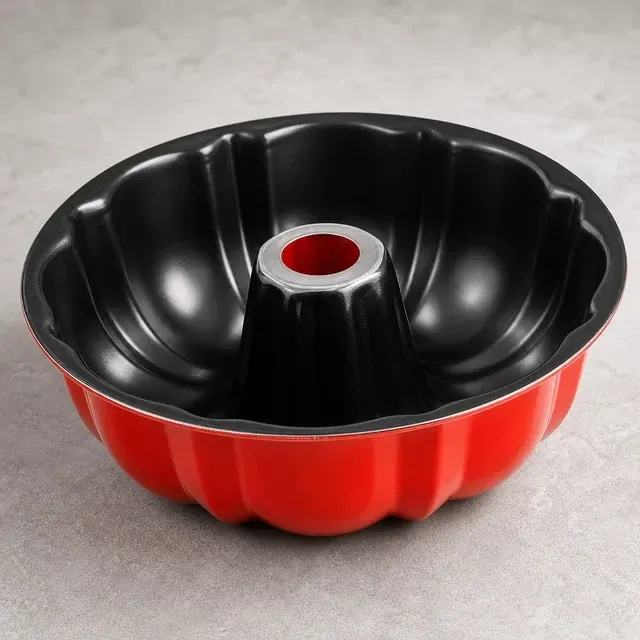
A fluted ring cake tin is a ring-shaped baking tin with decorative ridges and a central tube, designed to help cakes bake more evenly while giving them a polished, bakery-style finish. For UK home bakers, it is especially useful for denser sponge mixtures because the centre tube improves heat distribution and reduces the risk of an underbaked middle.
TL;DR: A fluted ring cake tin helps cakes bake evenly, creates a decorative shape with minimal icing, and works best in durable carbon steel with a good non-stick coating. Based on our testing, careful greasing, filling the tin only two-thirds to three-quarters full, and turning the cake out after 10 to 15 minutes give the most reliable results.
With home baking remaining popular in British households—a 2023 Mintel report indicates that over half of UK adults bake at home at least once a week—choosing dependable bakeware matters. This guide explains what a fluted ring cake tin is, why bakers use one, how to choose the right material and size, and how to get clean releases at home.
Key Takeaways
- A fluted ring cake tin uses a central tube to distribute heat more evenly, helping to prevent raw centres in heavier batters.
- Carbon steel usually offers better heat performance and durability than silicone, and often better structural strength than lightweight aluminium.
- A quality non-stick coating helps preserve the detailed fluted pattern when releasing the cake.
- Proper preparation—especially thorough greasing and light flouring—makes a noticeable difference to the final result.
What is a fluted ring cake tin used for?
A fluted ring cake tin is used to bake decorative ring-shaped cakes with defined ridges and an even crumb. In practical terms, it is ideal for lemon drizzle cakes, chocolate sponge cakes, marble cakes and other medium to dense batters that benefit from extra heat reaching the centre.
The fluted design gives the finished bake an attractive pattern, so you often need little more than a dusting of icing sugar or a simple glaze. As a result, it is popular with bakers who want an elegant finish without complicated decoration.
For UK kitchens, it is also a useful all-round option when you want something more striking than a standard round sandwich tin but easier to serve than novelty-shaped bakeware.
Why does a fluted ring cake tin bake more evenly?
The main reason is the central tube. Instead of heat travelling only from the outer edge towards the middle, the tube allows heat to reach the batter from both the outside and the centre. Consequently, the cake bakes more evenly across its full width.
This matters most with richer mixtures such as pound-style cakes or dense butter cakes. Without that central chimney, thick batters can leave you with dry edges and an underdone middle. By contrast, a fluted ring cake tin reduces that risk while still producing good height and structure.
The shape has roots in traditional European kugelhopf-style pans; however, modern tins are commonly used for bundt-style bakes in UK home kitchens. The principle remains the same: better heat flow and a decorative finish in one piece of bakeware.
For a broader look at how different shapes affect your baking, you might find our Round Ring Cake Tin Explained: A UK Buyer's Guide particularly helpful.
What is the best material for a fluted ring cake tin?
For most home bakers, carbon steel is usually the best material for a fluted ring cake tin because it combines strength, consistent heating and long-term durability. Based on our testing, heavier carbon steel tins tend to hold their shape well in regular oven use and produce sharper browning around the ridges than flexible silicone moulds.
Is carbon steel better than silicone or aluminium?
In many cases, yes. Carbon steel heats quickly and maintains an even baking temperature well. Therefore, it supports good colour development and helps delicate details hold their shape once the cake is turned out.
Silicone is easy to store and naturally flexible; however, it generally does not brown cakes as effectively. In addition, soft-sided silicone can make it harder to fill neatly and move safely into the oven when using heavier batters.
Aluminium can perform well too, especially if it is thick and well made. That said, thinner aluminium tins may warp more easily over time. For regular baking in UK fan ovens or conventional ovens alike, many bakers prefer carbon steel for its sturdier feel and dependable results.
Does non-stick coating matter in a fluted ring cake tin?
Yes—arguably more than with simpler tins. Because a fluted ring cake tin has deep grooves and narrow angles, batter can cling firmly if the surface quality is poor. A reliable non-stick coating helps protect those details during release so that your finished sponge keeps its pattern intact.
If you are comparing finishes and coatings, our guide to The Ultimate Guide to Non Stick Ring Cake Tin in the UK explains what to look for in modern PFOA-free options commonly sold in Britain.
What size fluted ring cake tin should I buy?
The right size depends on your usual recipe quantities; however, a 24cm fluted ring cake tin is one of the most versatile options for UK home bakers. It generally suits standard family-size sponge recipes without leaving too little or too much depth in the finished bake.
If your batter quantity is too small for the tin, your cake may come out shallow and lose definition around the ridges. On the other hand, overfilling can cause overflow or an uneven rise. As a rule of thumb, aim to fill your prepared tin only two-thirds to three-quarters full.
A typical 24cm size works well for many 4-egg to 5-egg sponge recipes adapted for ring tins. If you want exact capacity guidance for British recipes, see our article on the 24Cm Ring Cake Tin Explained: A UK Buyer's Guide.
How do you stop a cake sticking in a fluted ring cake tin?
The most effective method is careful preparation before baking. Even with an excellent non-stick surface, detailed tins need proper greasing so that every ridge releases cleanly later on.
Should you grease and flour a fluted ring cake tin?
Yes. Based on our testing, brushing melted butter into every groove gives more reliable coverage than quickly rubbing with paper or relying on standard cooking spray alone. Then add a light dusting of flour—or cocoa powder for chocolate cakes—and tap out any excess.
This extra step creates a fine barrier between batter and metal. As a result, delicate details are less likely to tear away when you invert the cake.
How full should you fill a fluted ring cake tin?
< We need fix accidental text.Ready to bake with RingCakeTi?
Shop Now — £12.82